Radon Tech, Engineered to a Tighter Standard
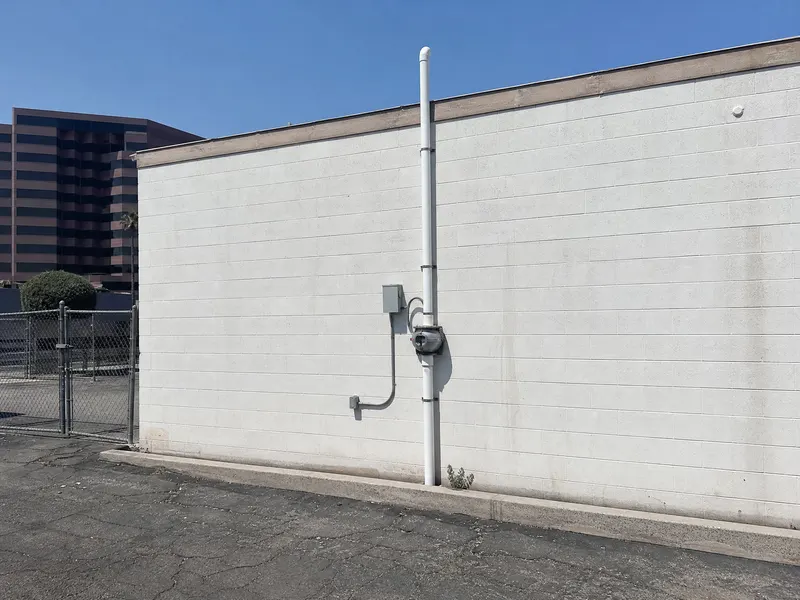
The fix for vapor intrusion is the technology we install every week: sub-slab depressurization. In fact, the residential mitigation systems installed over the Motorola plume under EPA oversight are sub-slab depressurization systems. The differences are in the engineering margins. VOC action levels are measured in micrograms per cubic meter, verification is done by laboratory air sampling rather than a radon monitor, sealing work is more extensive, and documentation has to satisfy whoever regulates your case, which may be EPA, ADEQ, or a lender's environmental consultant.
Who Calls Us About This
Homeowners inside a plume study area who got an agency letter and want their own independent handle on the situation. Buyers whose Phase I flagged a neighboring dry cleaner. Small commercial landlords with a Phase II showing sub-slab TCE and a deal that dies unless a mitigation plan exists. Property managers with a tenant complaint and a strip mall built in 1978. If any of that sounds familiar, the conversation is free and we're comfortable reading the environmental reports you've been handed.
How the Job Runs
First, records: we review whatever sampling data exists, and Arizona's site files are public through ADEQ if you don't have them. Second, diagnostics on your actual building, sub-slab pressure testing and communication testing, same as a complex radon job. Third, a written design: suction point count and placement, fan sizing, sealing scope, discharge location, and the verification sampling plan. Then the install, then post-mitigation verification. Where an agency is involved we build the system to their work plan and hand over documentation that fits their format the first time.
A note on scope: we design, install, and verify mitigation systems. We are not an environmental law firm and not a Phase II consultant, and when your situation needs those we'll say so and work alongside them. Plenty of vapor jobs also turn out to be partly radon, and the testing page covers how we separate the two. Commercial building? See commercial services.
Official site information on the Motorola 52nd Street cleanup is published by ADEQ at azdeq.gov/superfund/motorola-52nd-street.
Vapor mitigation services in Phoenix, explained without the fog: (520) 423-5900.