Radon Testing & Mitigation for Phoenix, Arizona Homes and Businesses
Testing | Mitigation Systems | Vapor Intrusion | Fan Replacement | Real Estate
Call Now (520) 423-5900Free quotes over the phone. Guaranteed results under 4.0 pCi/L.
Tell us what's going on with the house. We reply to most messages the same day.
Your lungs don't get a second chance. Radon is the number one cause of lung cancer in people who have never smoked, tied to about 21,000 deaths a year in the US according to the EPA. You cannot see it, smell it or feel it. A radioactive gas seeping out of the ground under your slab deserves the same seriousness as a gas leak, minus the panic: test, mitigate, retest, done.
Desert homes have desert problems. Post-tension slabs you can't just drill into blind, attics that hit 140 degrees by noon, caliche layers that change how soil gas moves, HOAs with opinions about exterior pipe runs. A mitigation design that works in Denver gets bodged in Phoenix. Every system we install is designed around how Valley homes are actually built.
Numbers, not promises. You get a measured radon level before we start, a written fixed price, and a follow-up test after installation showing your home under 4.0 pCi/L. If it isn't, we come back and modify the system at no charge until it is.
Phoenix Radon Mitigation is a locally owned radon testing and mitigation company serving the entire Valley since 2015. Our services include professional radon testing, radon mitigation system design and installation, vapor intrusion mitigation, radon fan replacement and system repair, real estate transaction testing, radon-resistant new construction rough-ins, and commercial mitigation for offices, schools and multifamily buildings. One crew, two vans (look for the white Transit with the orange pipe racks), and a few hundred systems running quietly across Maricopa County.
Our service areas include Phoenix, Scottsdale, Paradise Valley, Cave Creek, Carefree, Anthem, New River, Fountain Hills, Rio Verde, Mesa, Tempe, Chandler, Gilbert, Queen Creek, Apache Junction, Glendale, Peoria, Sun City, Surprise, Goodyear, Avondale, Litchfield Park and Buckeye, and many more. If your town isn't listed, call us anyway. We drive.
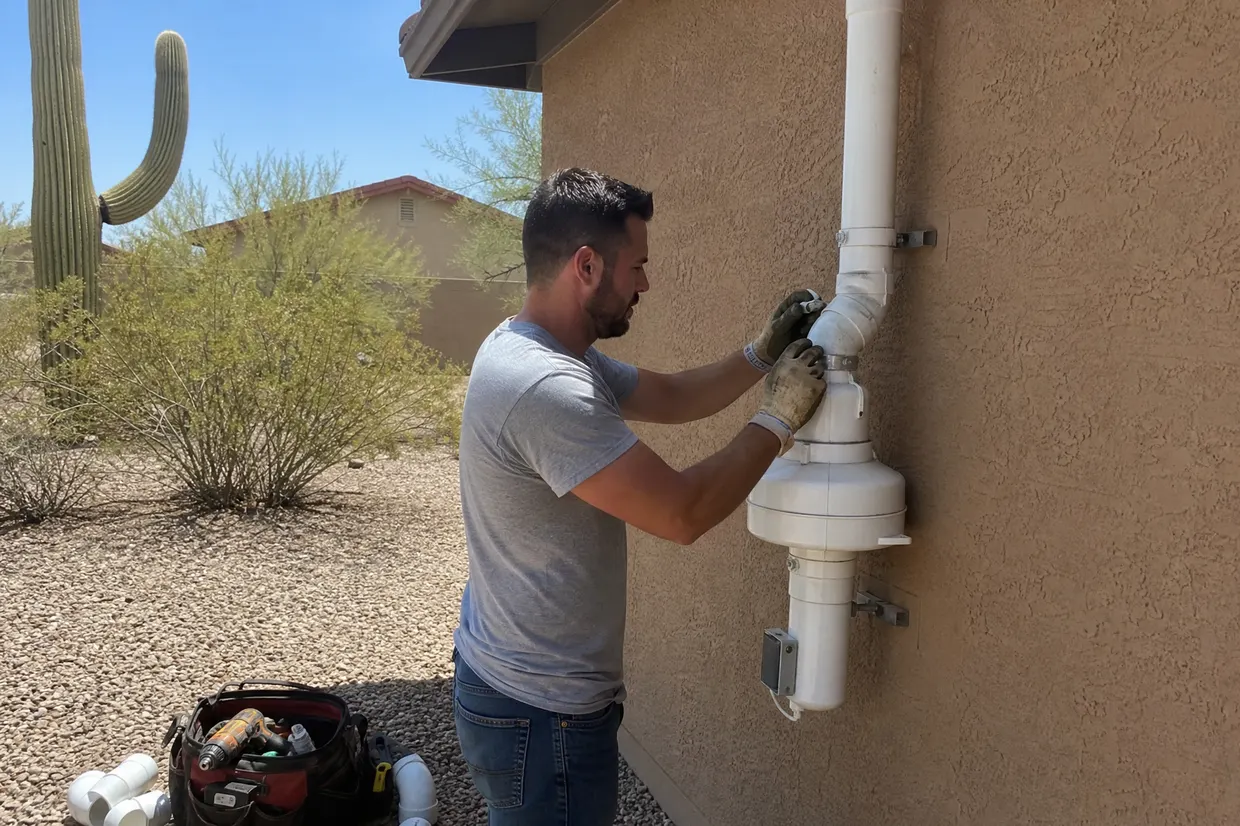
Sub-slab depressurization is the workhorse fix, and it's what the EPA installed in Phoenix homes sitting over the Motorola 52nd Street contamination plume: a suction point cored through the slab, PVC pipe routed up through the attic or along an exterior wall, and a quiet inline fan that pulls soil gas out from under the house and vents it above the roofline. The radon never enters your living space.
A Valley install has traps a checklist installer will fall into. Nearly every home built here since the 90s sits on a post-tension slab, so we locate the cables with a scanner and mark the slab before any core drill touches concrete. No exceptions; Manny has the scanner in the van and the rule exists because we've been called to houses where someone else guessed. Read how our mitigation installs work, or jump straight to what a system costs.
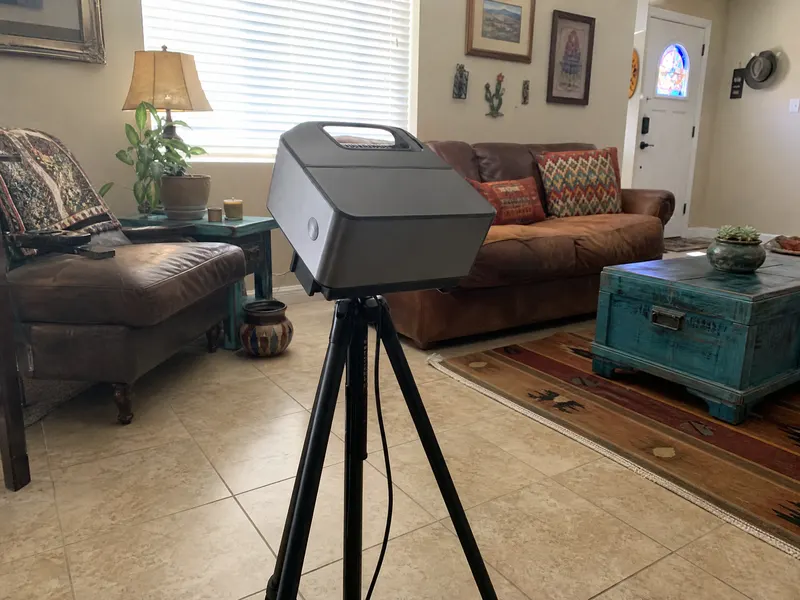
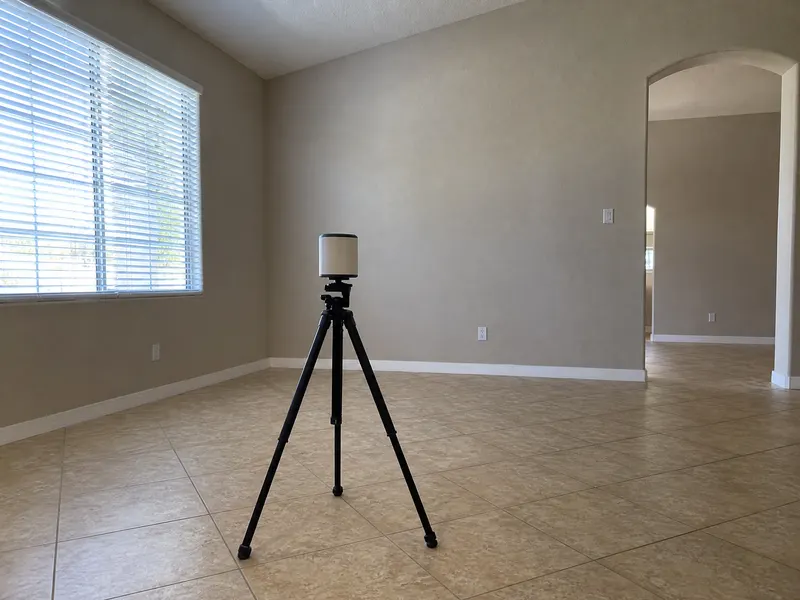
Every job starts with a number. A 48-hour test with a calibrated continuous radon monitor gives you an hour-by-hour picture instead of a single smeared average, and it flags the tampering and closed-house violations that make charcoal kits unreliable in real estate deals. You get the report the same day the monitor comes down, with a plain-English explanation of what the number means for your house, not a scare pitch.
Testing under 2.0 pCi/L? We'll tell you that you don't need us, and we'll put it in writing.
Radon isn't the only gas that comes up through a slab. Central Phoenix sits over several contaminated groundwater plumes, including the roughly seven-mile TCE plume from the old Motorola 52nd Street plant, and solvent vapors from those plumes can migrate into buildings the exact same way radon does. The mitigation is the same core technology, sub-slab depressurization, engineered to a stricter standard with different verification sampling.
If your property is near a Superfund or WQARF site and you've had a letter, a soil vapor test, or just a nagging question, our vapor mitigation services page explains the process without the consultant fog.
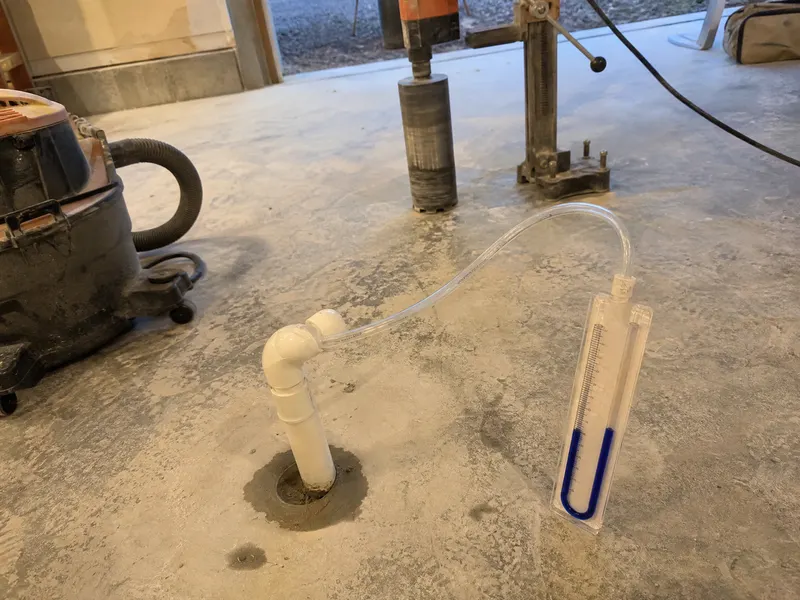
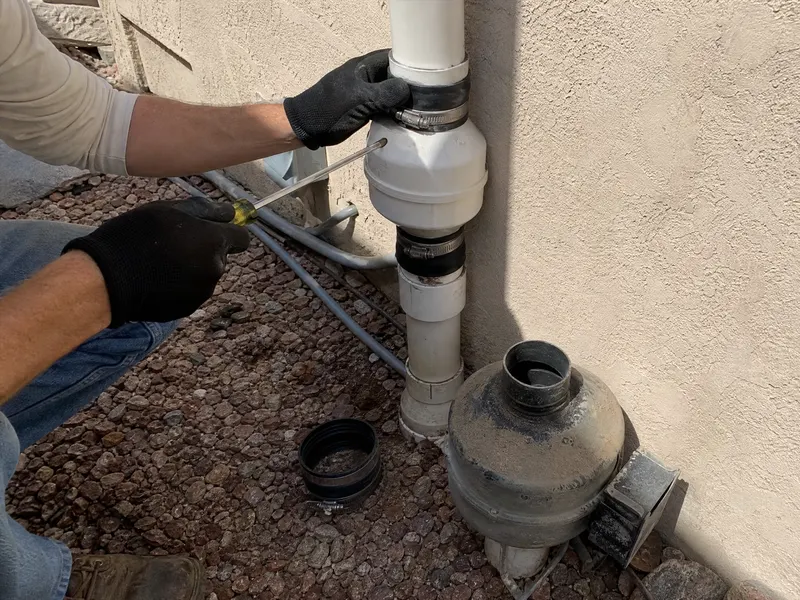
Radon fans die young in Phoenix. Attic heat cooks bearings and capacitors, and a fan rated for a 10-year life in Ohio often gives up around year six here. Humming but not spinning, rattling like a coffee can of screws, or a U-tube manometer sitting level: all mean the system is off and your radon is back. Straightforward fix. We stock RadonAway RP145s and the common Fantech sizes in the van and most swaps are done inside an hour, with a fresh airflow reading before we leave.
A buyer's agent called us on a Thursday about a Troon listing with a 9-day inspection window and a seller who'd never heard of radon. Monitor placed Friday morning, report Sunday morning, mitigation bid attached, deal closed on schedule with a $1,900 seller credit. That's the job: defensible 48-hour monitor data, fast turnaround, and a fixed-price bid either side can act on before the contingency clock runs out. Escrow timelines don't wait, so this is the one service we prioritize scheduling for.
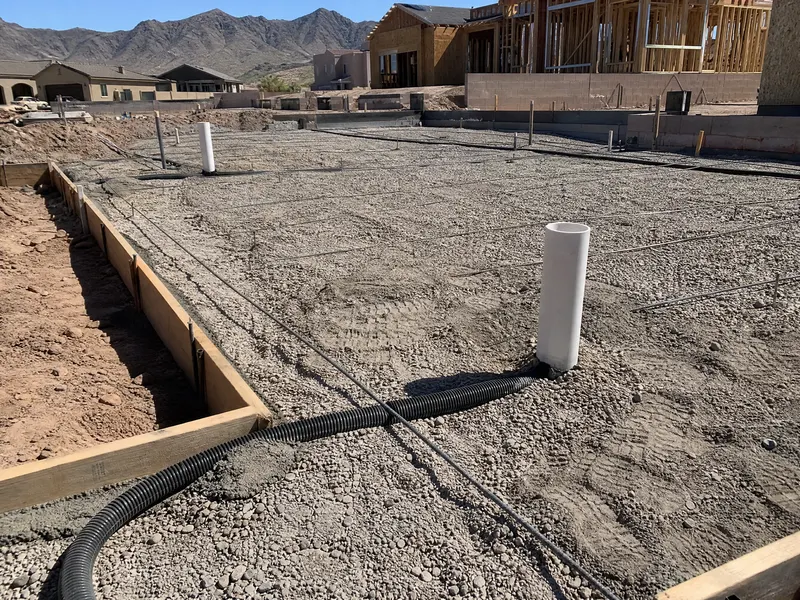
Cheapest system you'll ever buy is the one that goes in before the slab is poured. A gravel gas-permeable layer, soil-gas collection piping, a sealed vertical riser and a capped attic junction cost a few hundred dollars during construction and make any future mitigation a matter of wiring in a fan. Builders in the north Valley granite belt, this one's for you. We rough-in to EPA radon-resistant new construction spec and coordinate directly with your super and your plumbing sub.
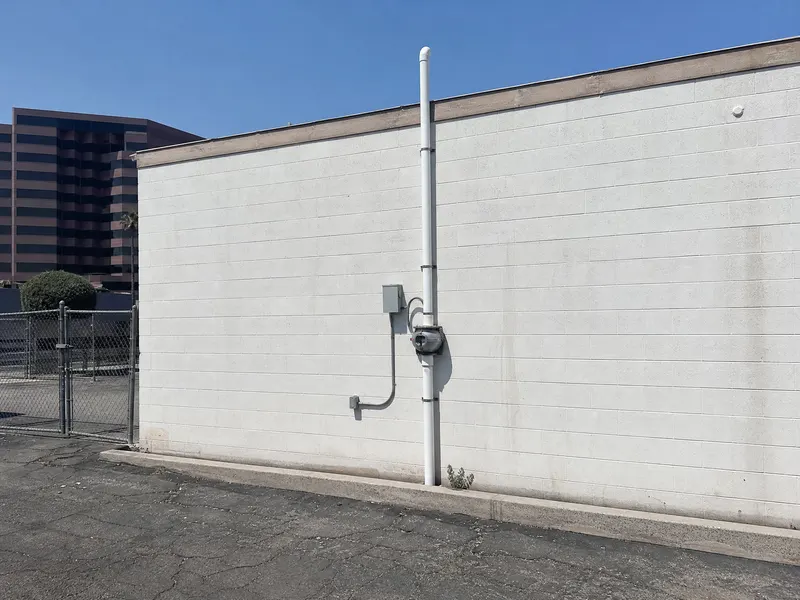
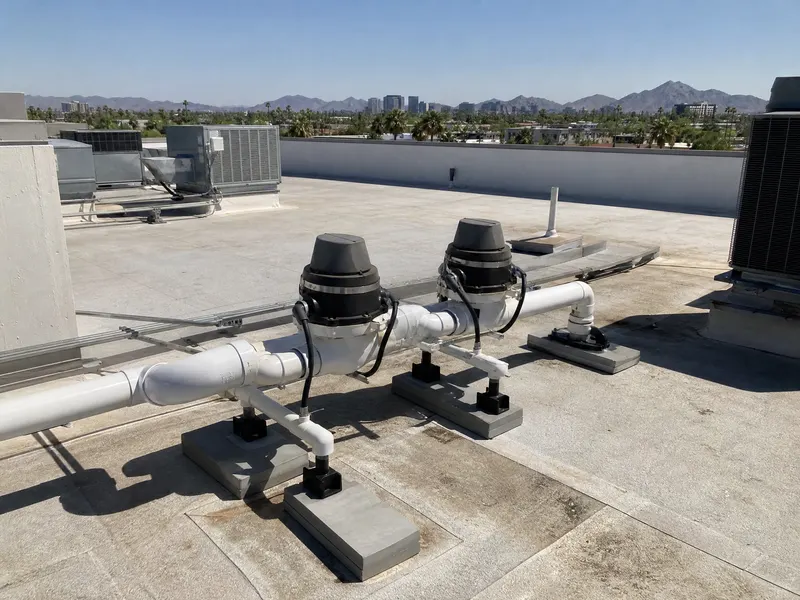
Schools, daycares, office condos, multifamily. Big slabs need multiple suction points, manifolded runs, and monitoring that satisfies whoever is asking, whether that's a lender's environmental consultant, a school district, or an ADEQ closure letter. We've worked under all three. Bring us the Phase II or the tenant complaint and we'll bring back a sealed design and a fixed number.
"Tested at 6.8, system installed two weeks later, retested at 0.9. Quiet enough that I forgot it was running."
Dan R., North Scottsdale
"I got three bids and these guys were $1,850, right in the middle, but they were the only ones who mentioned the post-tension cables in our slab before drilling, which honestly is the reason I picked them. Curt walked me through the manometer thing, showed me the reading, explained what it should look like if the fan ever quits. The pipe run through the attic is invisible from the street which my HOA cares about way more than I do. Took about five hours start to finish and they swept up after themselves."
Melissa T., Anthem
"Scheduling hiccup, they had to push my install two days when the monsoon rolled through, which was annoying since I'd taken the day off. But they called ahead instead of no-showing, knocked a bit off the invoice without me asking, and the follow-up test came back at 1.4 from 5.2. Fair is fair. Recommended."
Greg V., Mesa
More than most people assume. Maricopa County sits in EPA Radon Zone 2, which means moderate potential, but the state's own testing data tells the fuller story: since Arizona began tracking results in 1993, the average home has come in at 2.9 pCi/L and roughly one in four homes has tested above the EPA action level of 4.0 pCi/L. The highest reading on record in Arizona is 55.8 pCi/L. The north Valley granite areas, North Scottsdale, Cave Creek, Carefree, Fountain Hills and Rio Verde, produce the most elevated results we see.
There are none. Radon is colorless, odorless and tasteless, and it causes no short-term symptoms. A test is the only way to know.
Winter, usually. Closed-up houses concentrate radon, and in Phoenix that means the stretch from November through February when windows stay shut, plus midsummer when the house is sealed tight for the AC. That summer AC effect is a Phoenix quirk: our "closed house season" runs twice a year, which is why we test year-round rather than telling people to wait for winter.
Almost never. Standard homeowners policies treat radon as a maintenance issue, not a covered peril. The good news is that mitigation here is a one-time cost, typically between $1,400 and $3,200 installed, and it usually transfers value straight into your disclosure paperwork when you sell.
Yes, if a test says so. Nearly every home in the Valley is slab-on-grade, and radon enters through slab cracks, plumbing penetrations, expansion joints and the gap around post-tension cable ends just as readily as it enters a Midwest basement. The fix is the same science, sub-slab depressurization, just routed differently: we typically core one suction point through the slab in a closet or the garage and run the pipe up through the attic.
Most single-family installs land between $1,400 and $3,200 depending on slab layout and routing. Our cost guide breaks down every factor and every price.
More questions? See our Arizona radon levels page for the statewide data, or just call. Curt answers the phone most days.